VISUAL ESSAY / NETWORKS

Braess's Paradox

FILM INDEX / JUMP TO AN ACT
FIELD GUIDE

The Road That Slows Everyone

Building an extra road sounds like an unambiguous improvement. Braess's paradox shows why that intuition can fail when drivers independently choose the route that seems fastest to them. A new link changes everyone's incentives, and the resulting route changes can overload roads that previously worked well.

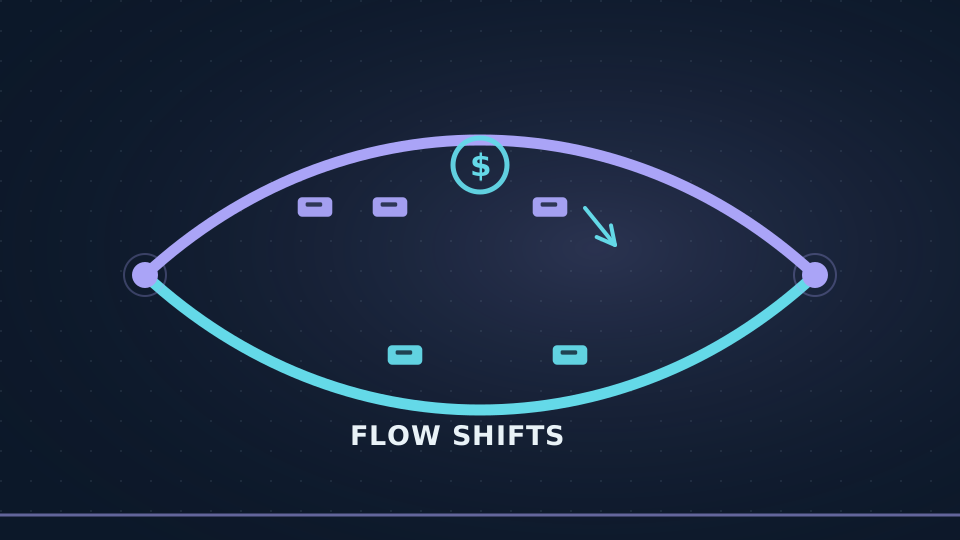
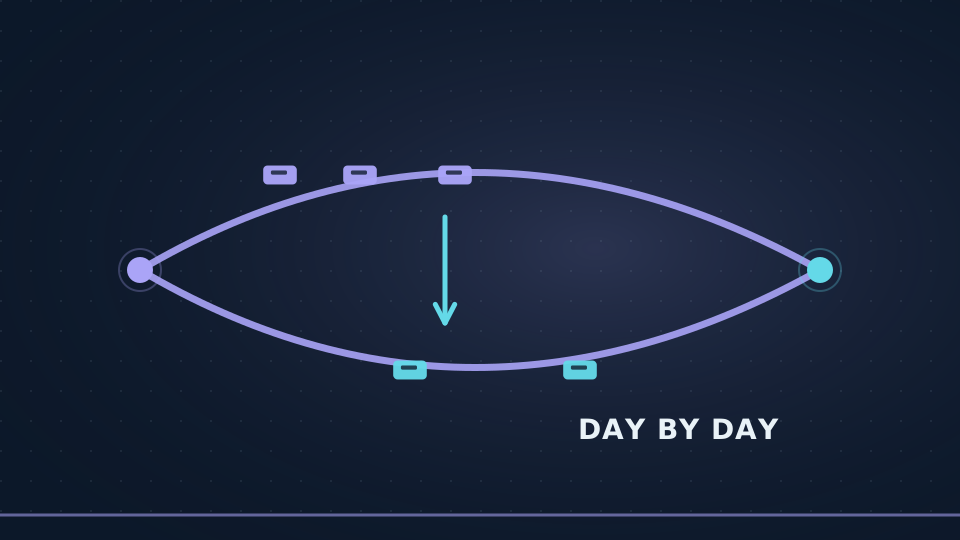
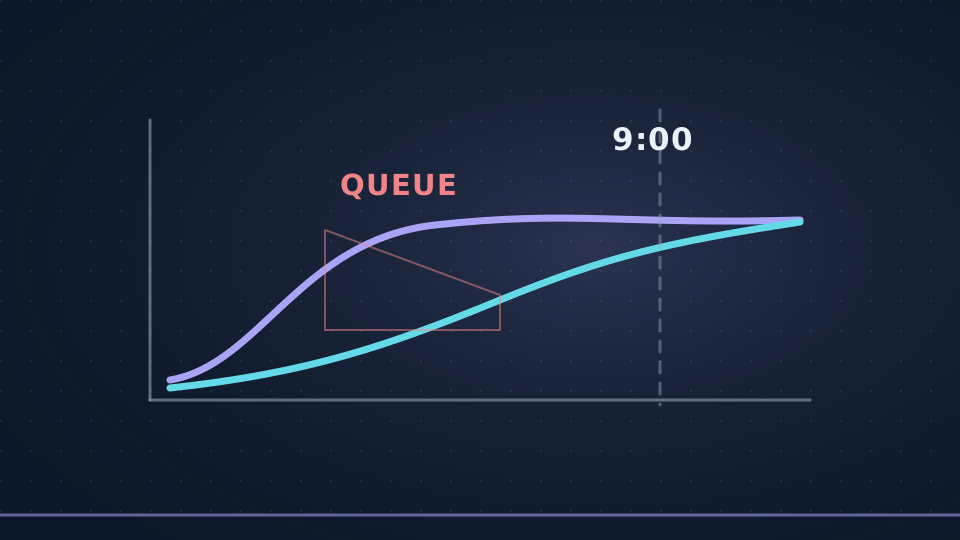
The first act shows an equilibrium on two available routes, including each route's travel time and the system-wide total. The second adds a connecting link and lets drivers choose again. All three available paths can carry traffic, yet the new equilibrium has a larger total travel time. No driver acting alone can improve by switching, but the group is worse off than before the construction. The video does not claim every new road is harmful. It isolates the mechanism: network capacity and network performance are not interchangeable when route choice feeds back into congestion.