VISUAL ESSAY / TRAFFIC FLOW

Weaving and Coordination

FILM INDEX / JUMP TO AN ACT
FIELD GUIDE

Making Space Between Crossings

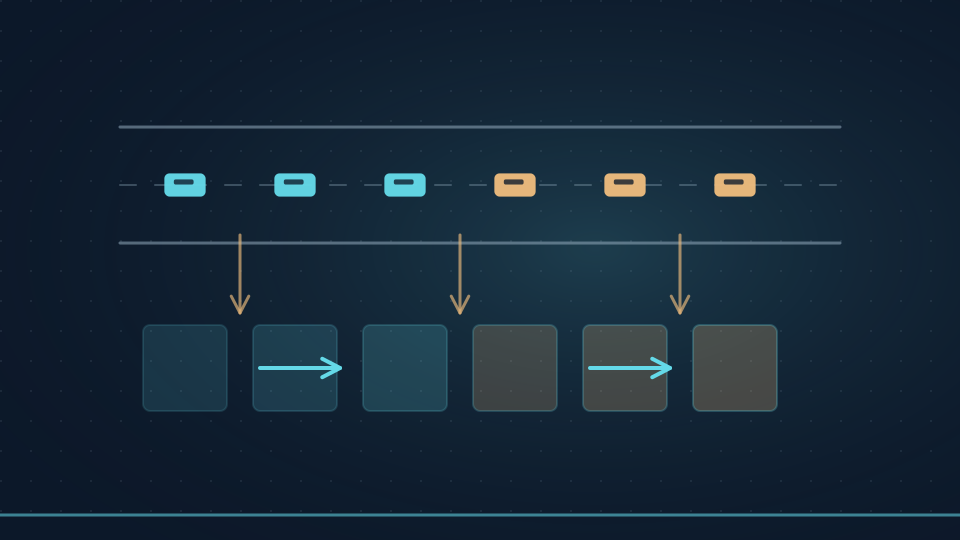
When an entrance and exit ramp sit close together, arriving vehicles need to merge while others need to leave. These crossing intentions turn a short road section into a weaving area, where frequent lane changes can disrupt through traffic and send congestion upstream.

The first act shows a crowded short weaving section and the corridor-wide slowdown it creates. The same traffic demand then uses a longer section, giving drivers more room to complete their changes. A third run keeps the short layout but coordinates local speed adjustments to create usable gaps. The comparison separates two possible remedies: more physical space and better timing of interactions. Neither removes the need for lane changes; both reduce their interference with one another. The video illustrates why a weaving bottleneck is not simply a matter of how many lanes exist. The location, urgency, and coordination of movements can determine how much traffic actually gets through.